
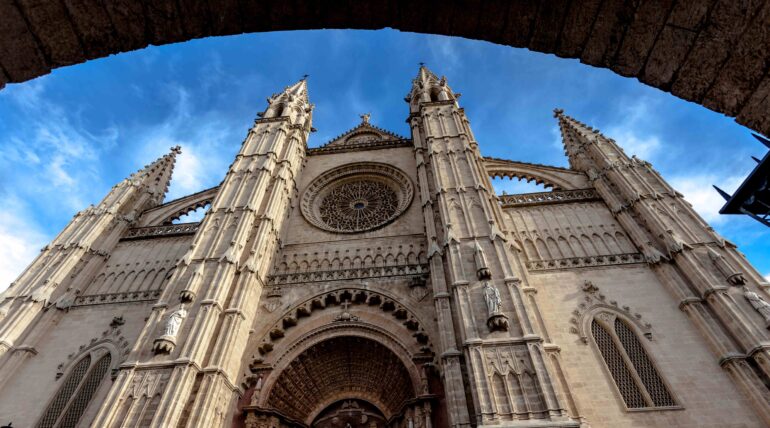
In the very center of the British capital, not far from the Palace of Westminster, the main Catholic cathedral of England – Westminster Cathedral – has risen. Since its completion in the early 20th century, it has served as a place of worship and a cultural landmark, attracting tourists and pilgrims with its unusual “Byzantine” appearance and rich history.
A Brief History
The idea of erecting a national Catholic cathedral emerged in the mid-19th century, when Catholicism in Britain was beginning to experience a revival after centuries of persecution and restriction. The architect John Francis Bentley submitted a design in the Neo-Byzantine style in 1895. It was a desperate move against the prevailing Victorian architecture.
Construction lasted from 1895 to 1903. The walls were built of red brick, lining the interior surfaces with marble and mosaics. The first Catholic Archbishop of Westminster, Sir Francis Barber, laid the stone, and the lighting of the main altar took place on June 28, 1910.
For more than a century, the cathedral has become a pillar of the Catholic community in England and Wales. It hosts annual celebrations for the Feast of Christ the King, services in honor of patrons, and serves archbishops and cardinals.
Byzantine features in London’s atmosphere
The interior of Westminster Cathedral is reminiscent of the basilicas of Constantinople. The decoration is kept in warm golden and ochre colors, marble columns give solemnity.
The dome over the center of the nave is mounted on eight massive arches. The capitals of the columns are decorated with carvings in Byzantine style plant patterns and crosses. The floors are laid with multicolored marble, forming geometric ornaments.
This combination of oriental decor and British austerity makes the cathedral similar to classical examples of Western European architecture, while retaining its originality.
Architectural Features and Layout
The exterior of the cathedral immediately stands out among London’s built environment. It has two massive Byzantine-style towers, simple, austere brick facades and arched windows. The central tower reaches a height of 70 meters. This allows it to rise majestically above the neighboring houses.
Interior
- Nave – wide and bright, with two side aisles.
- The apse – completed with magnificent mosaics dedicated to scenes from the life of Christ.
- Chapels – on either side are several small chapels, each decorated in its own style and consecrated to different holy images.
- Organ Gallery – located above the west portico, where a majestic organ with over 5,000 pipes is installed.
- Mosaic panels – the cathedral is decorated with more than 70% mosaics made by Italian masters from Vicenza and Pavia, which creates the feeling of a Byzantine basilica.
Materials
- Red brick for the exterior walls;
- Multicolored marble and mosaic inside;
- Italian mosaics of high quality, resistant to the humid climate of London.
The Organ and the Musical Life of the Cathedral
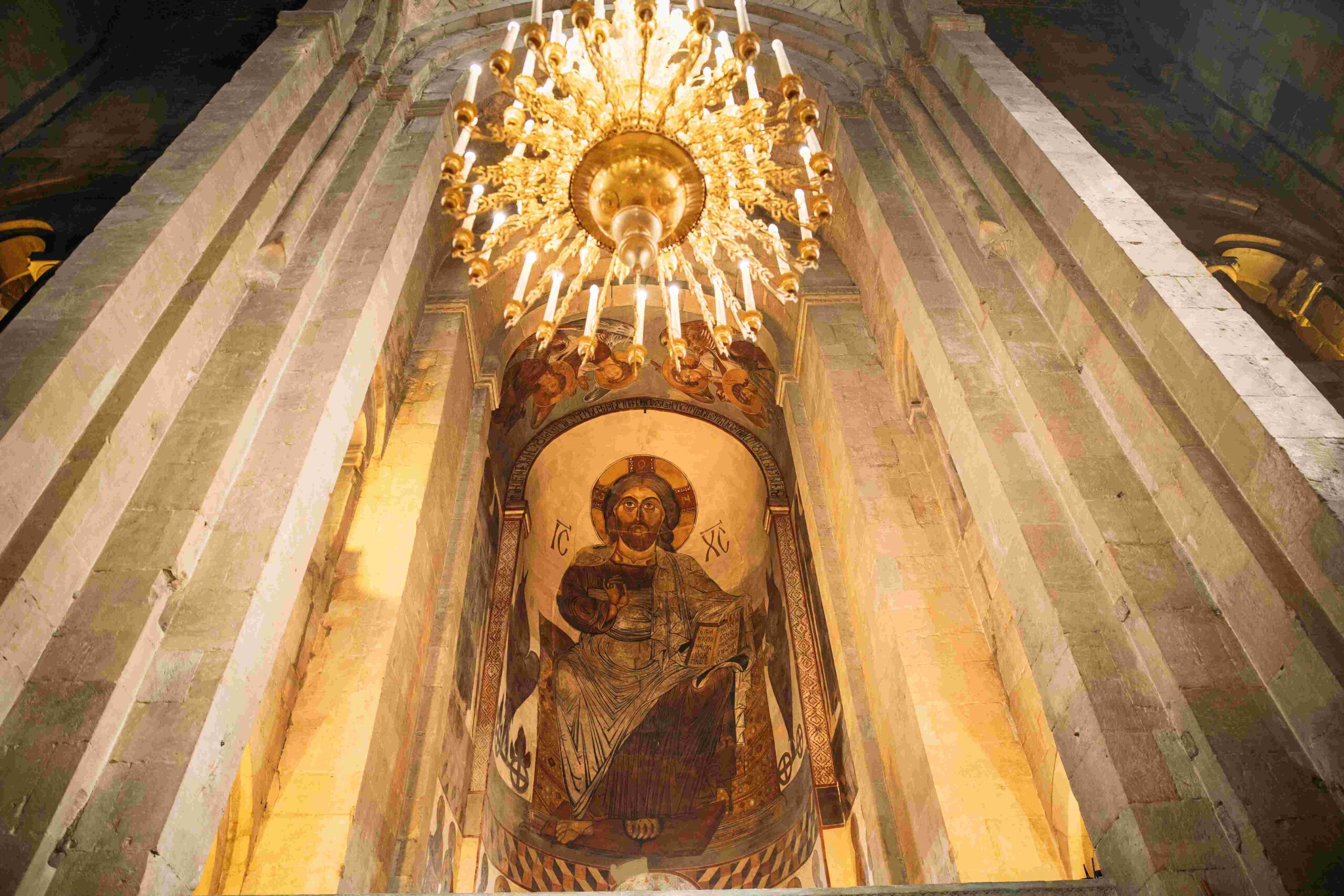
A main organ with more than 5,000 pipes is mounted above the west entrance. The sounds coming from it fill the nave with a sacred echo:
- Regular concerts: Bach preludes and impressionist pieces are performed in the evenings.
- Choral Festive Masses bring together London’s finest singers and vocal ensembles from across Europe.
- The Christmas concert is one of the most popular, with tickets selling out months in advance.
The music serves as an ornament and part of the worship service. It engages visitors, mesmerizes them with its fantastic sound and makes the church a place of spiritual experience.
Outcomes and Prospects
Westminster Cathedral combines austere architecture with Byzantine splendor inside. It remains a vibrant center of Catholic faith and cultural dialogue. In more than a century of its existence, the church has remained a pillar of support for millions of believers and has retained its status as a national monument.
In the coming years, there are plans to restore the facade, upgrade the heating system and launch virtual tours to introduce the cathedral to those who cannot visit in person.
Westminster Cathedral remains a unique historical monument and continues to serve the community. Visitors planning a visit will find it an architectural marvel and a space to reflect on faith.